

 Contact Us

Table of Contents

Contact Us
Updated 6 months ago
What Is Dye Sublimation in Custom Sportswear?
YUTU
QEOK is a professional custom sportswear manufacturer and teamwear supplier based in Dongguan, Guangdong, China. Established in 2002, we provide integrated OEM and ODM services covering product design, sample development, material selection, production, quality control, shipment coordination and after-sales support.
Dye Sublimation Printing for Sportswear is commonly used for polyester team uniforms featuring multiple colors, graphic patterns, player names, numbers, and sponsor logos. This guide explains how the printing method works, which fabrics are suitable, and when it makes sense for custom teamwear projects. You will also learn how sublimation compares with embroidery, screen printing, and digital heat transfer, what to review in a digital design preview, and which details to confirm before approving samples and bulk production.
How Does Dye Sublimation Printing Work for Sportswear?
Dye sublimation is a heat-based printing method used mainly for polyester sportswear. The process starts with printing approved artwork onto special transfer paper. The printed paper is then placed against the fabric and processed under controlled heat and pressure.
During heating, the dye changes into gas and bonds with the polyester fibers. Instead of forming a separate printed layer on the surface, the color becomes integrated into the fabric.
This method is particularly useful for sportswear designs that include multiple colors, gradients, graphic patterns, team logos, player names, and numbers across different garment panels.
Because the dye becomes part of the fabric, sublimated graphics generally maintain a smooth feel without creating a thick printed layer on the surface.
Why Is Sublimation Commonly Used for Team Uniforms?
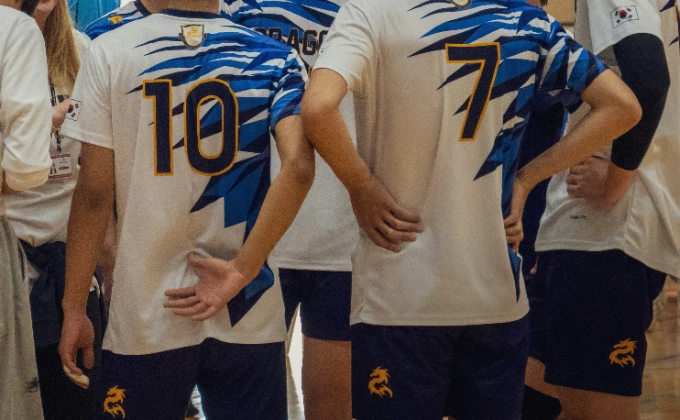
Team uniforms often require more than a simple logo or single-color design. A typical custom jersey may include team colors, sponsor graphics, player names, numbers, and patterns across the front, back, and sleeves.
Dye sublimation makes it possible to combine these design elements into one coordinated graphic layout.
Some common advantages include:
- Full-Color Designs: Suitable for complex patterns, gradients, and multiple colors.
- Personalized Graphics: Player names, numbers, team logos, and sponsor marks can be included in the artwork.
- Smooth Fabric Feel: The dye bonds with suitable polyester fibers rather than forming a separate surface layer.
- Design Flexibility: Different garment panels can carry coordinated graphics and colors.
- Suitable for Teamwear: Commonly used for soccer jerseys, basketball uniforms, and other polyester-based sports apparel.
However, the final result still depends on fabric composition, artwork preparation, printing conditions, and garment construction.
Which Fabrics Are Suitable for Sportswear Sublimation Printing?
Dye sublimation printing works best with polyester-based fabrics because polyester fibers can effectively bond with sublimation dyes during the heat transfer process.
For custom sportswear projects, common fabric options include:
| Fabric Type | Common Application | Key Consideration |
|---|---|---|
| Polyester Interlock | Soccer jerseys and team uniforms | Smooth surface and comfortable construction |
| Polyester Mesh | Breathable sportswear and training apparel | Lightweight structure and airflow |
| Performance Polyester | Athletic jerseys and training wear | Fabric performance and moisture management |
| Recycled Polyester | Custom sportswear collections | Recycled fiber composition and fabric quality |
The right fabric depends on the garment type, intended activity, comfort requirements, and performance expectations.
For blended fabrics, buyers should confirm the exact fiber composition and review a physical sample before approving bulk production.
Another important detail is fabric color. Sublimation dyes do not provide an opaque white printing layer, so the base fabric color affects the final appearance. White or light-colored polyester fabrics are commonly selected for full-color sublimation designs.
Dye Sublimation vs Other Sportswear Decoration Methods
Dye sublimation is not the only way to customize sportswear. Depending on fabric composition, artwork, order quantity, and garment type, other decoration methods may also be suitable.
| Decoration Method | Common Application | What Buyers Should Consider |
|---|---|---|
| Full Dye Sublimation | Polyester team uniforms with full-color graphics | Fabric composition, graphic coverage, and color requirements |
| Embroidery | Custom logos and garment details | Fabric structure, logo size, and placement |
| Screen Printing | Custom sportswear graphics and team branding | Artwork complexity, color requirements, and order quantity |
| Heat Transfer | Personalized graphics and selected design elements | Transfer material, fabric compatibility, and intended application |
For example, a soccer jersey featuring multiple graphic patterns, player numbers, and sponsor marks may be better suited to full dye sublimation.
A polo shirt with a small embroidered logo may require a different approach. Screen printing or heat transfer may also be suitable for certain graphics and garment types.
The best method should be selected according to the complete garment specification rather than the artwork alone.
For more details about available options, explore our custom screen printing service and custom heat transfer printing service.
Why Does the Digital Preview Matter?
Before printing begins, buyers should review the digital artwork carefully.
A digital preview helps both the customer and manufacturer check how the design will appear across different garment panels. It is particularly useful for team uniforms with multiple colors, sponsor logos, player numbers, and customized names.
Important details to review include:
- Logo size and placement.
- Player name and number positions.
- Color combinations and graphic patterns.
- Front, back, and sleeve artwork.
- Alignment between different garment panels.
- Consistency across different sizes.
A digital preview is useful for design confirmation, but it does not replace a physical sample. Fabric texture, actual colors, fit, and workmanship should also be checked before bulk production.
For projects requiring design development, see our custom sportswear design service.
How Does Sublimated Sportswear Move Into Production?
A custom sublimated sportswear project normally involves several coordinated stages.
1. Requirement Review
The buyer provides garment type, estimated quantity, size requirements, artwork, fabric preferences, and delivery expectations.
2. Design and Material Selection
The garment style, fabric, colors, patterns, and customization details are reviewed before production preparation.
3. Digital Artwork Confirmation
The manufacturer prepares the design layout for review. Buyers check graphic placement, colors, names, numbers, and other details.
4. Sample Development
A physical sample can be arranged to evaluate fabric, appearance, sizing, construction, and decoration quality.
5. Bulk Production and Quality Inspection
After sample approval, the order moves into production. Relevant checks cover fabric, printing, garment construction, and finished product appearance.
6. Packing and Delivery
Finished garments are checked, packed according to order requirements, and prepared for shipment.
Garment construction is also an important part of the process. Printed fabric panels need to be cut and assembled according to the approved design. Learn more about our custom cut and sew sportswear service.
What Should Buyers Confirm Before Ordering?
Before starting a custom sublimated sportswear project, buyers should prepare clear product and artwork information. This helps the manufacturer evaluate fabric suitability, decoration methods, garment construction, and production requirements.
Important details include:
- Sport and Garment Type: Soccer jerseys, basketball uniforms, training wear, or other apparel.
- Fabric Requirements: Preferred polyester fabric, fabric weight, texture, and performance expectations.
- Order Quantity: Estimated quantity and size breakdown for each style.
- Artwork Files: Team logos, graphic patterns, sponsor marks, and other design elements.
- Customization Details: Player names, numbers, colors, trims, and graphic placement.
- Sample Requirements: Whether a physical sample is needed before bulk production.
- Delivery Deadline: Target delivery date and important project milestones.
Before bulk production, buyers should review the digital design preview and confirm the sample where required. Size, workmanship, colors, and graphic placement should match the approved specifications.
Frequently Asked Questions
1. What Is Dye Sublimation Printing for Sportswear?
Dye sublimation is a heat-based printing method that transfers dye into polyester fibers. It is commonly used for custom sportswear with colorful patterns, team logos, player names, and numbers.
2. Which Fabrics Are Best for Sportswear Sublimation Printing?
Polyester-based fabrics are generally the most suitable. Common options include polyester interlock, polyester mesh, performance polyester, and recycled polyester. The final choice depends on garment construction and intended use.
3. Is Dye Sublimation Better Than Screen Printing for Sportswear?
Neither method is better for every project. Dye sublimation is particularly suitable for detailed, multi-color designs on polyester team uniforms, while screen printing may be considered for other artwork and production requirements.
4. Can Dye Sublimation Print Player Names, Numbers, and Sponsor Logos?
Yes. Dye sublimation can incorporate customized names, numbers, team logos, sponsor graphics, and other design elements into polyester sportswear.
5. Does Dye Sublimation Printing Cover the Entire Sports Jersey?
Yes. Full dye sublimation can support graphics across multiple garment panels, including the front, back, and sleeves. The final coverage depends on the garment pattern and approved artwork.
Written by
YUTU
QEOK is a professional custom sportswear manufacturer and teamwear supplier based in Dongguan, Guangdong, China. Established in 2002, we provide integrated OEM and ODM services covering product design, sample development, material selection, production, quality control, shipment coordination and after-sales support.
-
Share
-

-

-