

 Contact Us
 Home / Training Wear /

Custom Training Bibs Built for Team Practice & Performance
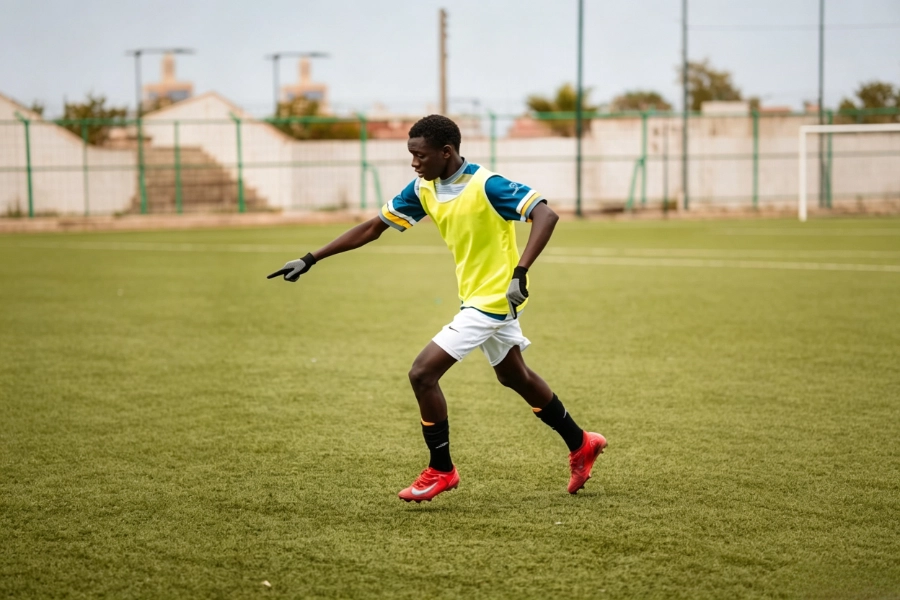
QEOK develops Custom Training Bibs for football clubs, schools, academies, coaches, and sports programs that need clear player grouping during drills and scrimmages. Made to be worn over existing jerseys, each bib can be specified with lightweight polyester mesh, roomy arm openings, team colors, numbers, and logos. Choose single-color or reversible designs for different training groups, with sublimation or heat-transfer branding selected to suit the fabric. We support artwork review, sizing, sampling, and bulk production for coordinated team orders.



Looking for a Reliable Custom Training Bib Manufacturer?
Unlike match uniforms, training bibs focus on team organization, movement freedom, and repeated use during daily practice sessions.
A successful training bib project depends on:
-
Lightweight breathable materials

-
Easy movement during drills
-
Clear team identification
-
Durable printing and branding
-
Consistent sizing
Whether you are supplying football academies, clubs, schools, coaches, training centers, or sports brands, custom training bibs help improve practice organization while maintaining team identity.
In This Guide, You’ll Learn:
- How to select training bib fabrics
- Which materials suit repeated training use
- How different mesh structures affect comfort
- Which customization options are suitable
- Which training bib styles are commonly developed
- What to confirm before production
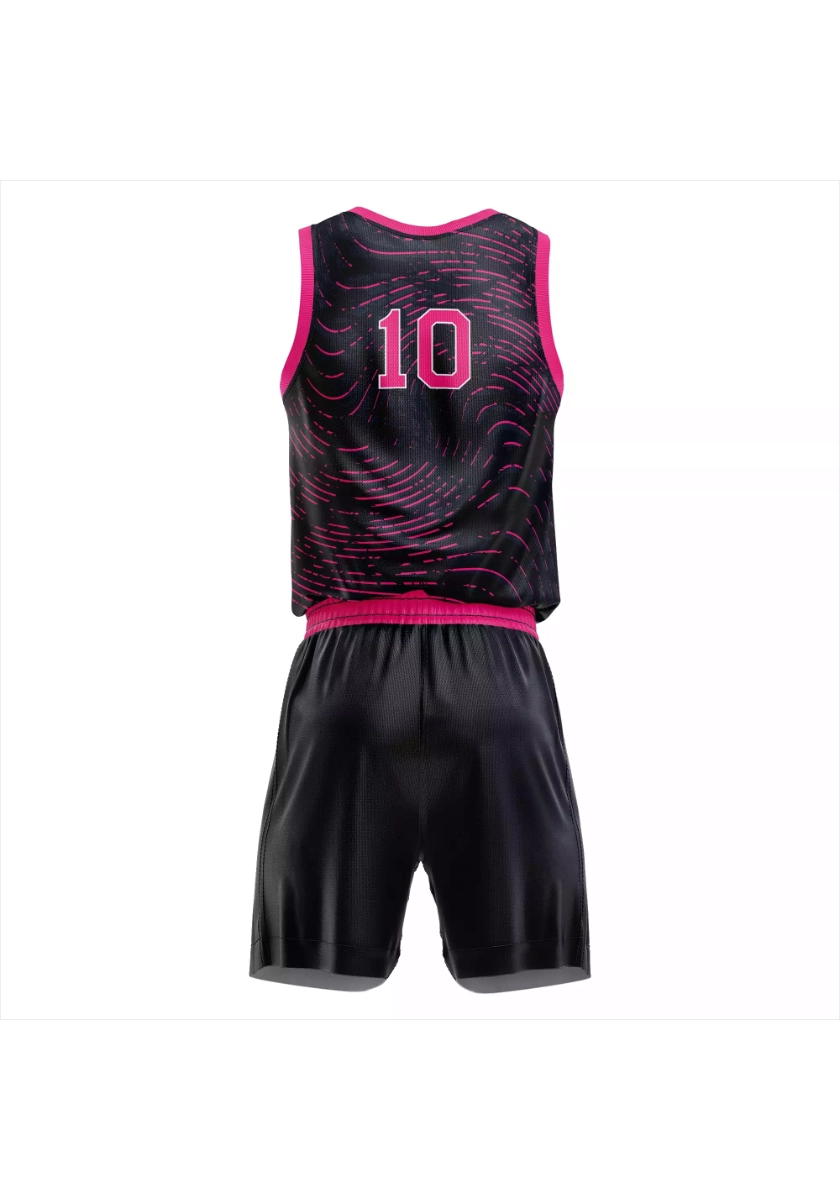
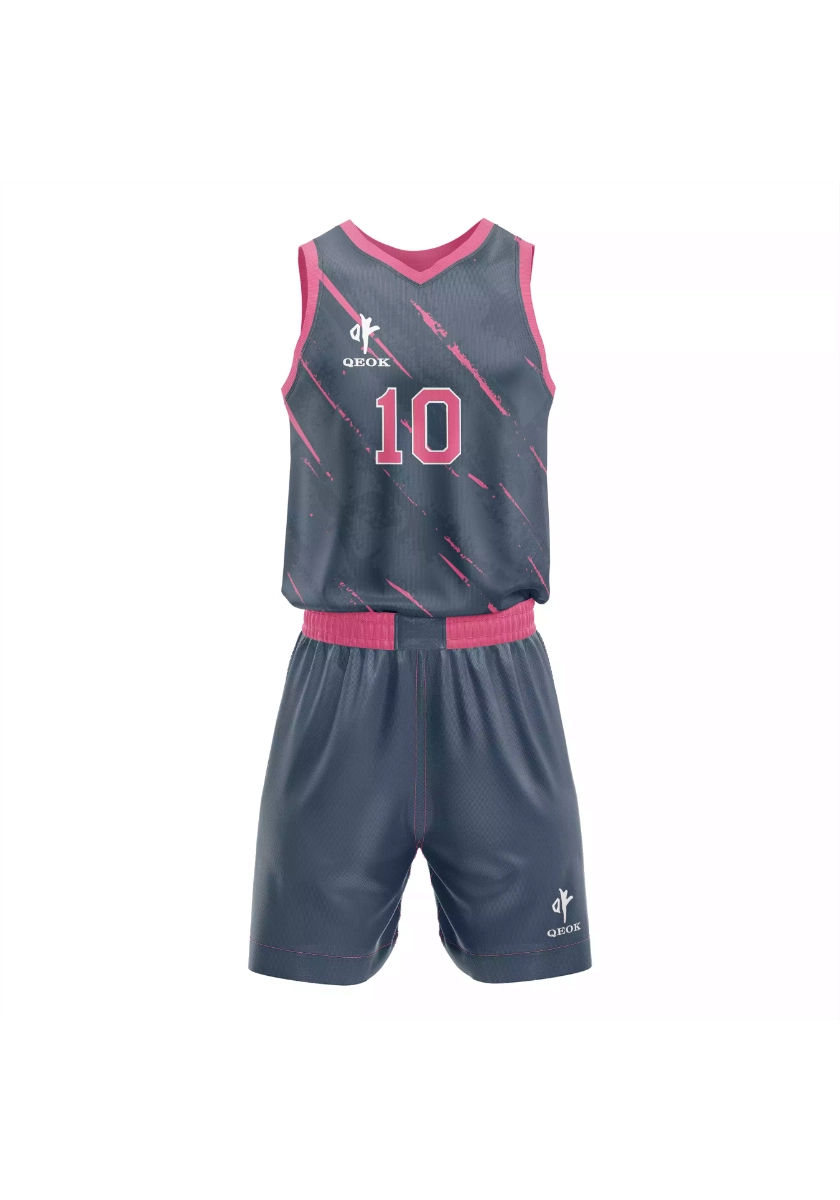
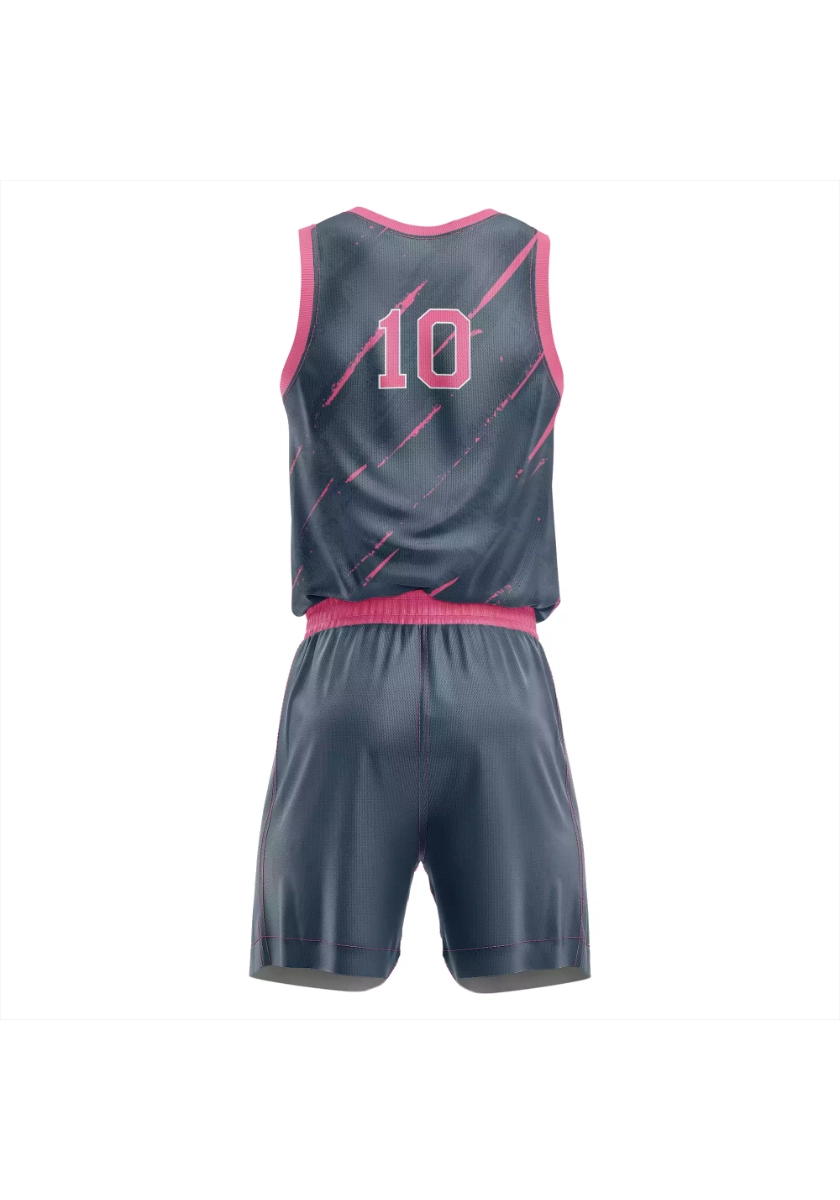
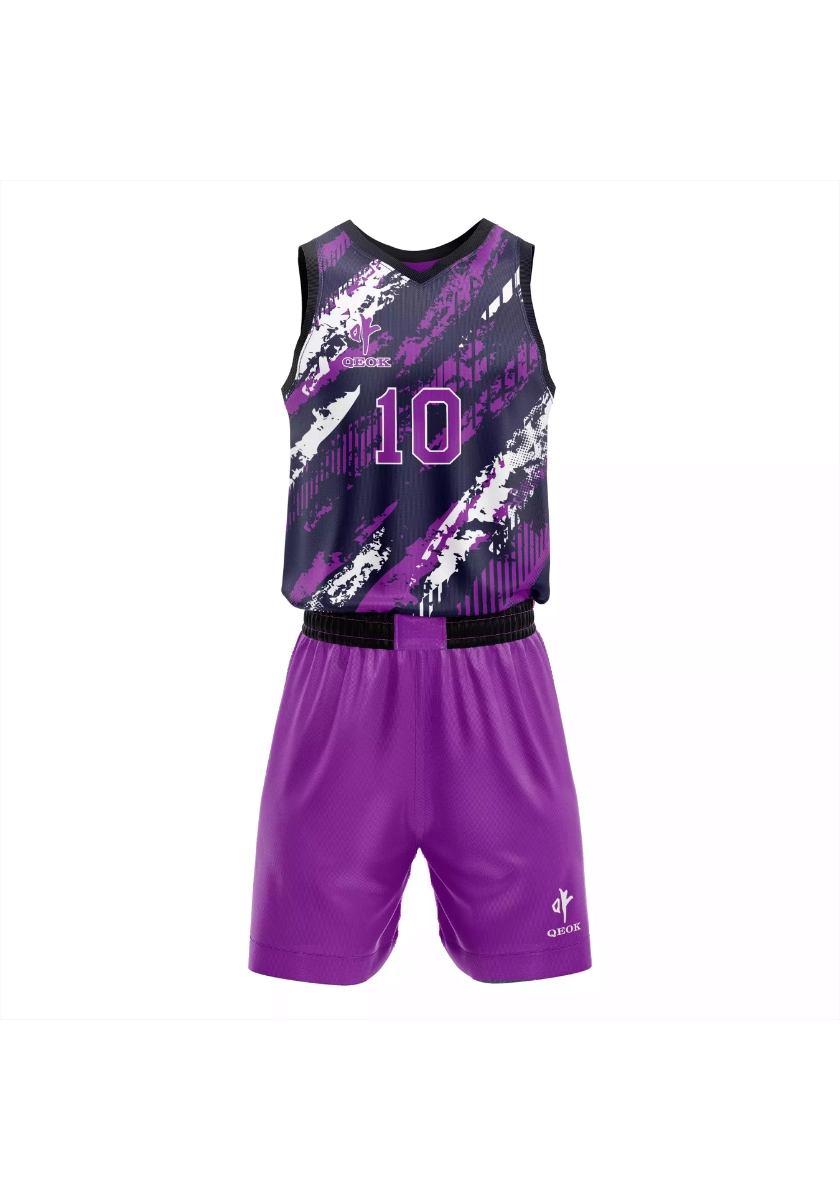
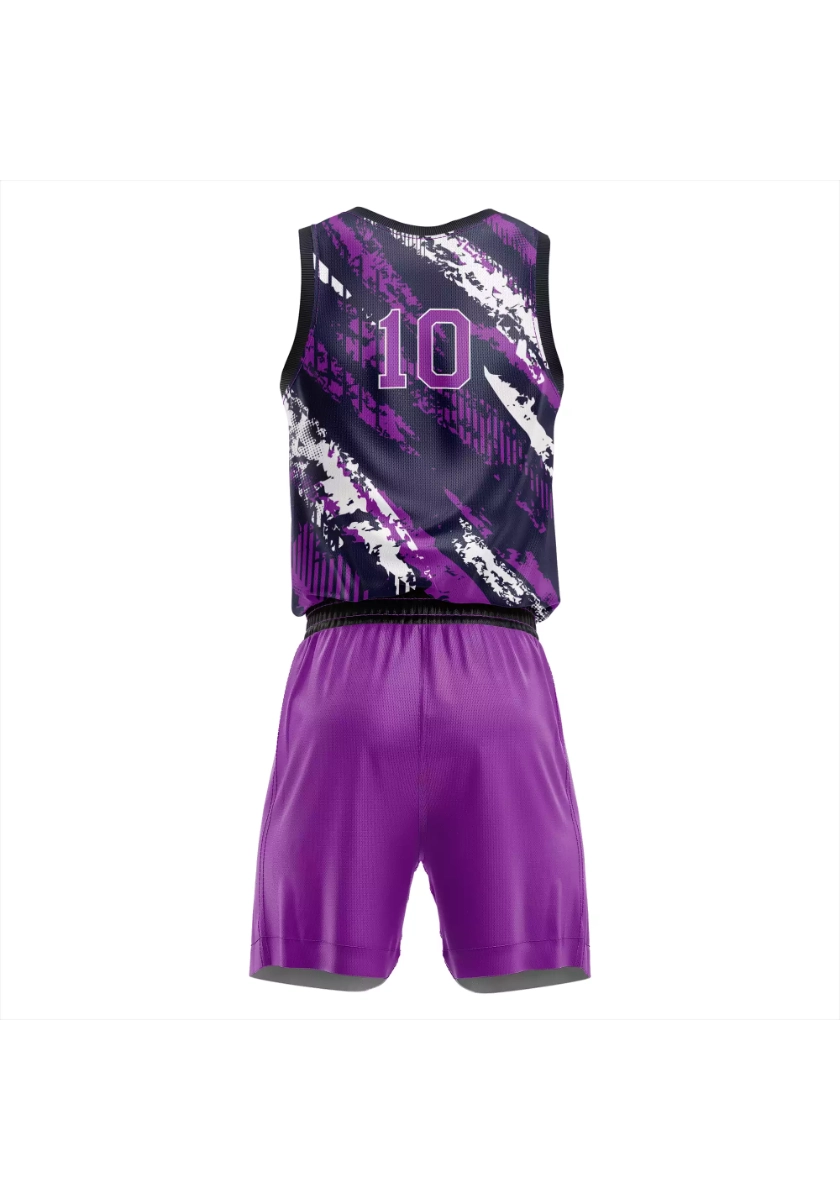

Common Challenges When Sourcing Custom Training Bibs
Training bibs require lightweight construction, repeated-use durability, clear visibility, and comfortable movement, making fabric selection, fit, and customization important during development.

The Fabric Feels Too Heavy During Training
Training bibs are usually worn over jerseys and training tops, so excessive weight can affect athlete comfort.
Common problems include:
- • Reduced airflow
- • Added garment weight
- • Heat buildup
- • Restricted movement
- • Uncomfortable layering

The Bib Does Not Allow Enough Movement
Training exercises require constant running, passing, stretching, and quick directional changes.
Poor pattern design may cause:
- • Tight arm openings
- • Limited shoulder movement
- • Short body length
- • Excess fabric
- • Poor wearing comfort

The Colors Are Not Easy to Identify
Training bibs are often used for team grouping, tactical drills, and practice organization.
Common issues include:
- • Similar color appearance
- • Poor contrast
- • Fading after repeated washing
- • Uneven color batches

Printing Does Not Perform Well on Mesh Fabrics
Mesh structures require suitable decoration methods to maintain appearance and durability.
Possible issues include:
- • Uneven graphics
- • Poor adhesion
- • Reduced flexibility
- • Logo distortion
- • Print cracking
Confirming fabric weight, fit, arm openings, color visibility, and decoration methods before production helps ensure that custom training bibs remain comfortable, easy to identify, and suitable for repeated team practice.
Choosing the Right Fabric for Custom Training Bibs
Training bib fabrics should provide lightweight comfort, ventilation, visibility, durability, and enough flexibility for repeated team practices.
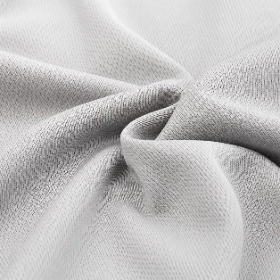
Polyester Mesh
A lightweight open construction widely used for training bibs requiring maximum airflow and minimum garment weight.
-
 Best For:Football training bibs, academy practice wear, coaching equipment, and team drills.
-
 Key Features:• Maximum ventilation
• Lightweight feel
• Quick drying
• Easy layering
• Suitable for high-intensity training
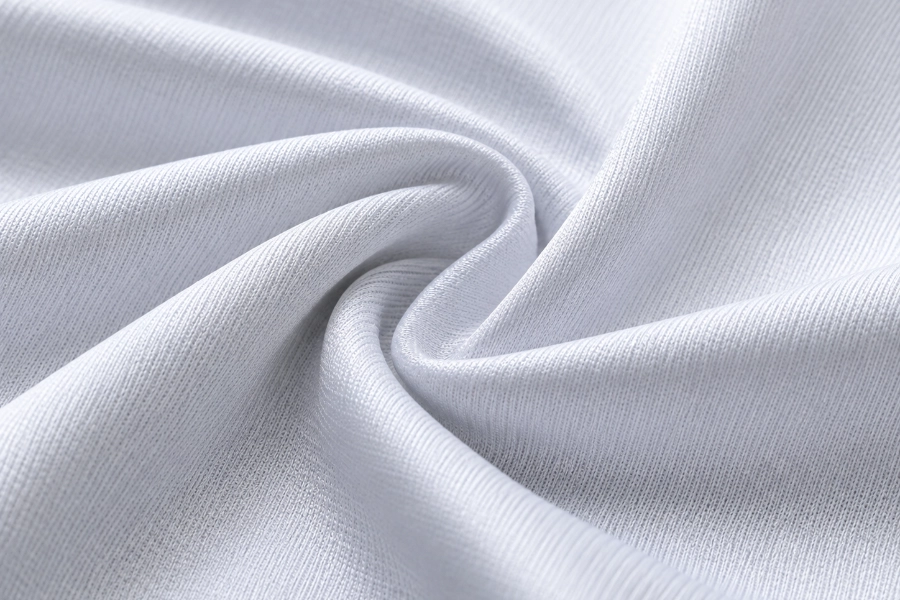
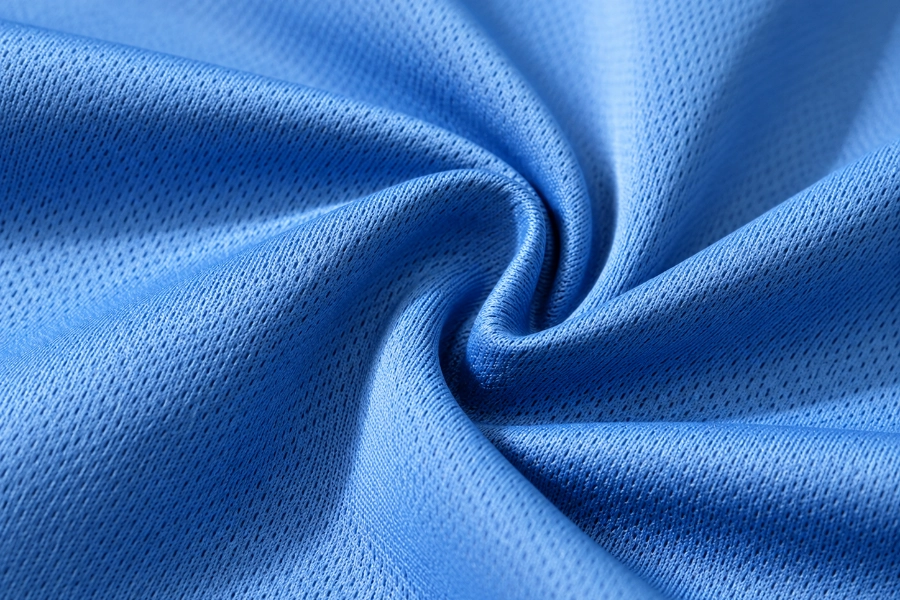
Bird-Eye Mesh Polyester
A textured polyester mesh offering breathability while maintaining better coverage and durability.
-
Best For:Football clubs, schools, training centers, and repeated-use practice bibs.
-
Highlights:• Breathable structure
• Moisture management
• Lightweight construction
• Durable surface
• Comfortable over jerseys
Micro Mesh Polyester
A finer mesh construction providing ventilation with a smoother appearance.
-
Best For:Premium training bibs, sports academies, branded teamwear programs.
-
Highlights:• Fine ventilation
• Smooth surface
• Lightweight feel
• Better graphic appearance
• Comfortable layering
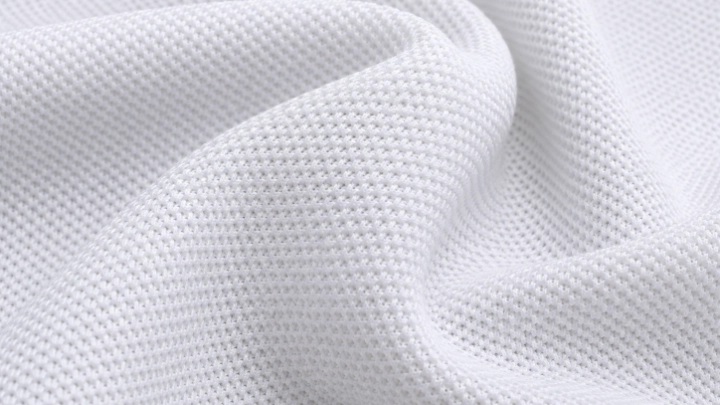
Polyester Interlock
A smoother double-knit polyester option providing more structure than open mesh fabrics.
-
Best For:Training vests requiring a cleaner appearance, team identification wear, and multi-purpose sports apparel.
-
Highlights:• Stable construction
• Smooth surface
• Good durability
• Comfortable hand feel
• Suitable for branding
Dry-Fit Polyester
A performance polyester designed for moisture management and quick drying during active training.
-
Best For:High-intensity training programs, outdoor sports, and warm-weather practice.
-
Highlights:• Quick drying
• Lightweight
• Moisture release
• Easy care
• Performance-oriented
Custom Printing & Branding for Training Bibs
Training bibs combine team identification, logos, colors, labels, and packaging requirements, requiring lightweight decoration methods suitable for performance mesh fabrics.
- Dye-Sublimation Printing
- Heat Transfer Printing
- Woven Label
- TPU / Silicone Logo
- Embroidery
-
Dye-Sublimation Printing
Dye-sublimation is suitable for polyester training bibs requiring full-color graphics, team colors, logos, patterns, and personalized designs.
The artwork integrates into polyester fibers without adding heavy surface layers.-
Team colors
-
Training groups
-
Club logos
-
Sponsor graphics
-
Full garment designs
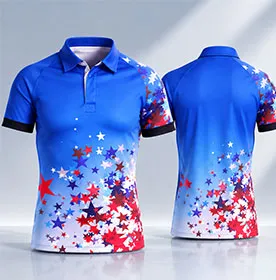
Full-body graphics allow complete color customization across training bibs.
All-Over Sublimation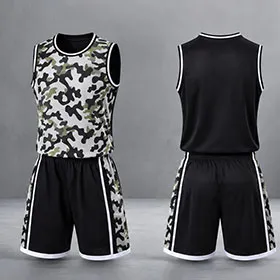
Graphics are positioned on specific garment panels before assembly.
Panel Sublimation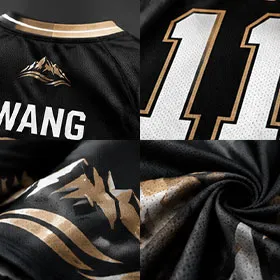
Individual team information, names, numbers, or group identifiers can be customized.
Personalized Sublimation

-
-
Heat Transfer Printing
Heat transfer provides flexible customization for logos, numbers, sponsor graphics, and training group identification.
-
Club logos
-
Academy branding
-
Event graphics
-
Sponsor marks
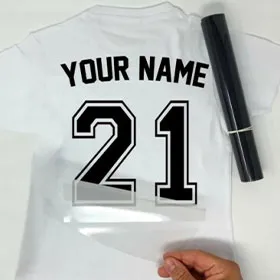
Adds team or organization logos to selected areas.
Logo Transfer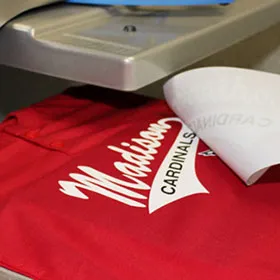
Creates easy player or training-group identification.
Number Transfer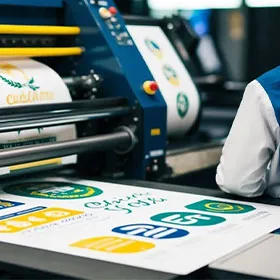
Adds commercial branding requirements.
Sponsor Transfer
-
-
Woven Label
Custom woven labels provide professional finishing for branded training equipment and teamwear programs.
-
Brand identity
-
Size information
-
Private label programs
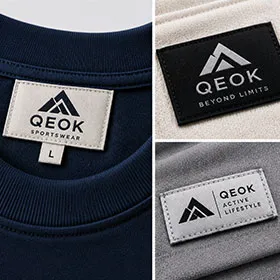
Custom brand identity inside the garment.
Main Brand Label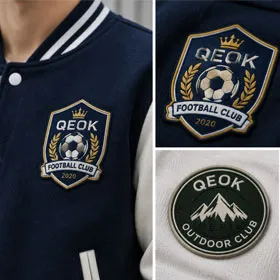
Clear size identification.
Size Label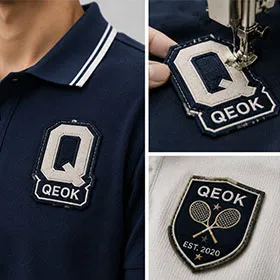
Complete labeling solutions for sportswear brands.
Custom Label System
-
-
TPU / Silicone Logo
TPU and silicone logos provide dimensional branding for premium training bib programs.
-
Club logos
-
Brand marks
-
Technical sports appearance
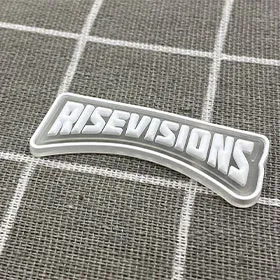
Lightweight raised logo application.
TPU Logo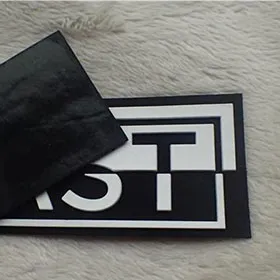
Custom logo shapes and technical branding.
Silicone Logo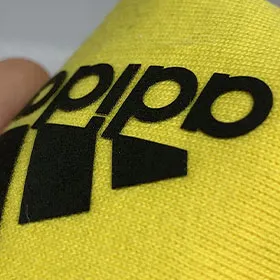
Custom logo shapes and technical branding.
Custom Molded Logo
-
-
Embroidery
Embroidery is suitable for selected training bib applications where fabric structure allows stable stitching.
-
Club identity
-
Premium training collections
-
Staff equipment
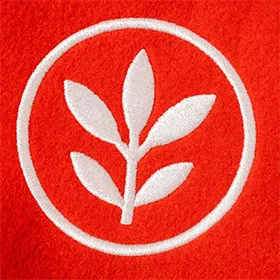
Compact branding applications.
Small Logo Embroidery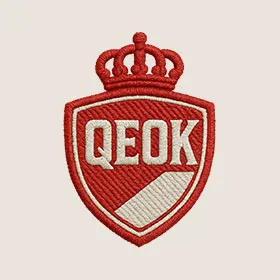
Team or academy identity.
Club Crest Embroidery
Coordinated branding across sports collections.
Professional Team Embroidery
-
Why Choose QEOK for Custom Training Bibs?
-
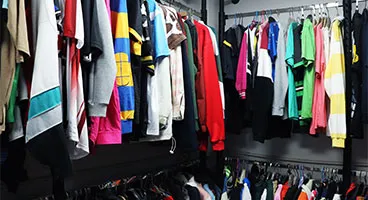

Lightweight Mesh Material Selection
Choose from polyester mesh, bird-eye mesh, micro mesh, interlock, and dry-fit polyester according to ventilation, garment weight, coverage, and repeated-use requirements.
-
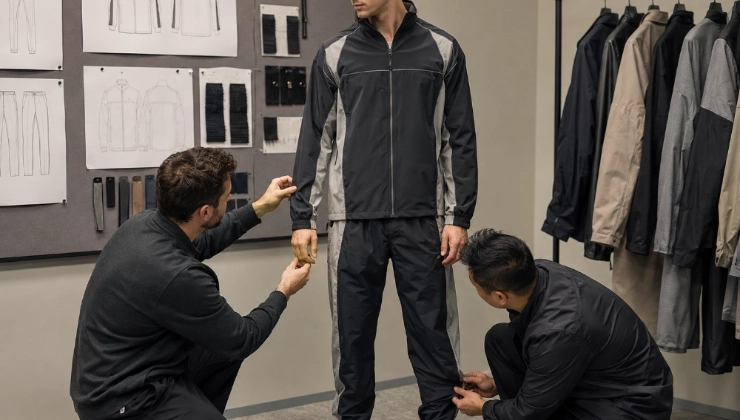

Fit Designed for Layering Over Jerseys
Training bibs need enough room to fit over existing team jerseys without restricting shoulder and arm movement. QEOK can review bib width, length, arm openings, and youth or adult sizing during development.
-
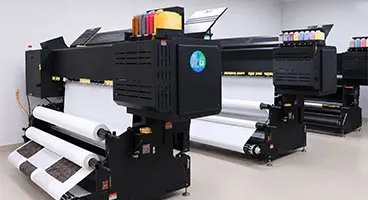

Clear Team Colors & Identification
Develop distinct team colorways, player numbers, club logos, sponsor marks, and reversible combinations to help coaches organize groups during drills and scrimmages.
-
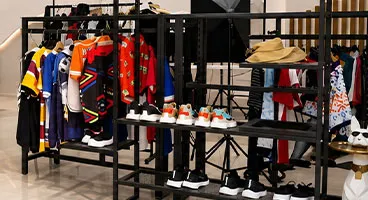

Production to Approved Specifications
After approval, production follows confirmed fabric, artwork, sizing, and decoration specifications through material preparation, cutting, sewing, finishing, inspection, and packing.
From Concept to Finished Training Bibs

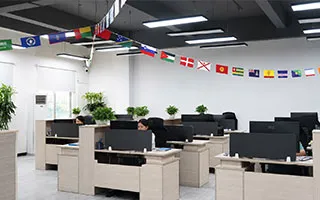
Share your training bib requirements, colors, quantities, logos, sizes, and application. Confirm usage Review references Define quantities Confirm sizes Collect artwork
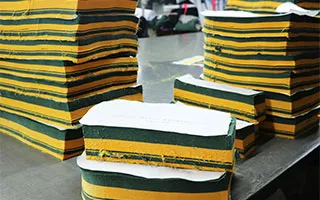
We recommend suitable mesh fabrics, colors, construction, and branding methods. Select fabric Confirm colors Review fit Select branding Confirm details
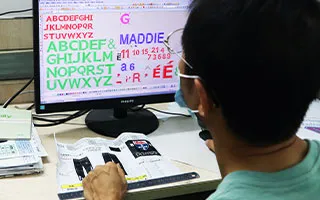
All details are reviewed before sample development. Confirm measurements Review artwork Check logo placement Confirm materials Approve specifications
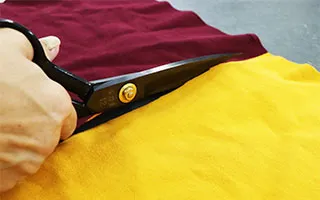
Samples are developed to review fit, fabric, graphics, and workmanship. Check size Review mesh Confirm printing Inspect construction Approve sample
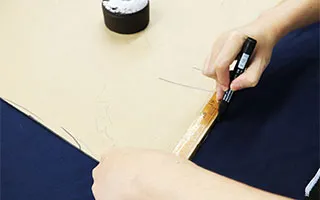
Production begins after sample approval. Material preparation Cutting Sewing Branding Finishing
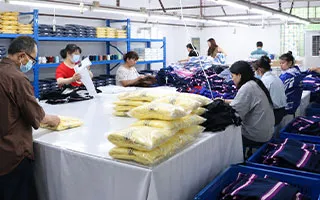
Quality Inspection Finished products are checked before packing. Size checking Sewing inspection Graphic checking Quantity verification Final appearance review
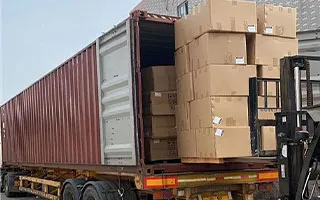
Finished training bibs are packed and shipped. Individual packing Carton preparation Shipment arrangement Delivery support

Important Considerations Before Ordering Custom Training Bibs
Before starting your custom training bib project, consider the intended training environment, player requirements, fabric performance, and customization details to ensure the final product meets your team’s expectations.
-
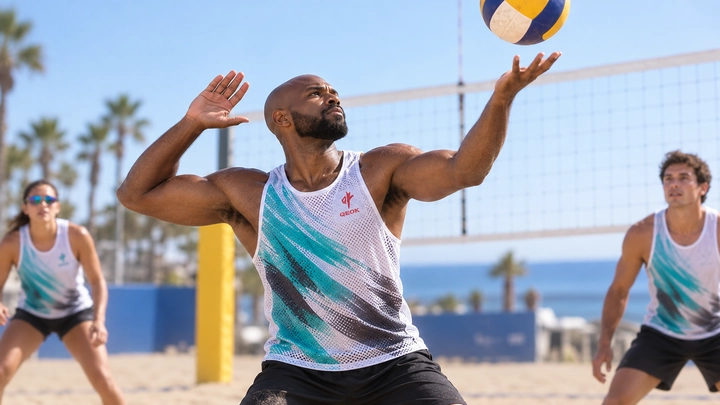 1
Choose the Right Fabric for Your Training Environment
Training bibs are used in different climates and training conditions, so fabric selection directly affects comfort and durability.
Consider:
- Indoor or outdoor training
- Hot or cold weather conditions
- Required breathability
- Frequency of use
- Expected washing cycles
Lightweight mesh fabrics are suitable for high-intensity training, while stronger constructions may be preferred for frequent team use.
-
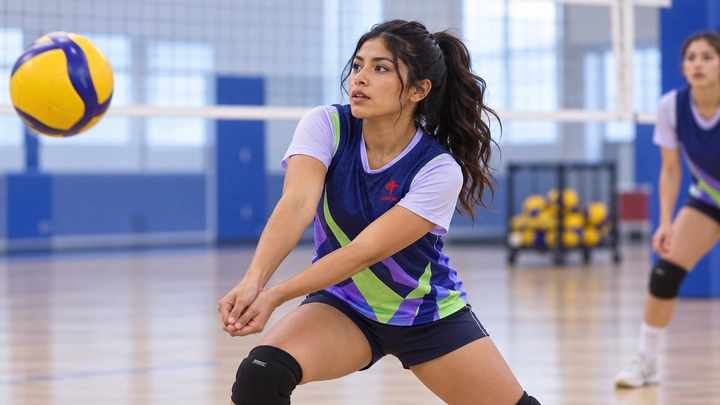 2
Confirm the Correct Size & Fit Requirements
Training bibs are usually worn over jerseys, so the fit should provide enough space without affecting movement.
Consider:
- Player age groups
- Jersey layers underneath
- Body width
- Arm opening size
- Bib length
A suitable fit helps players move comfortably during drills, tactical exercises, and team activities.
-
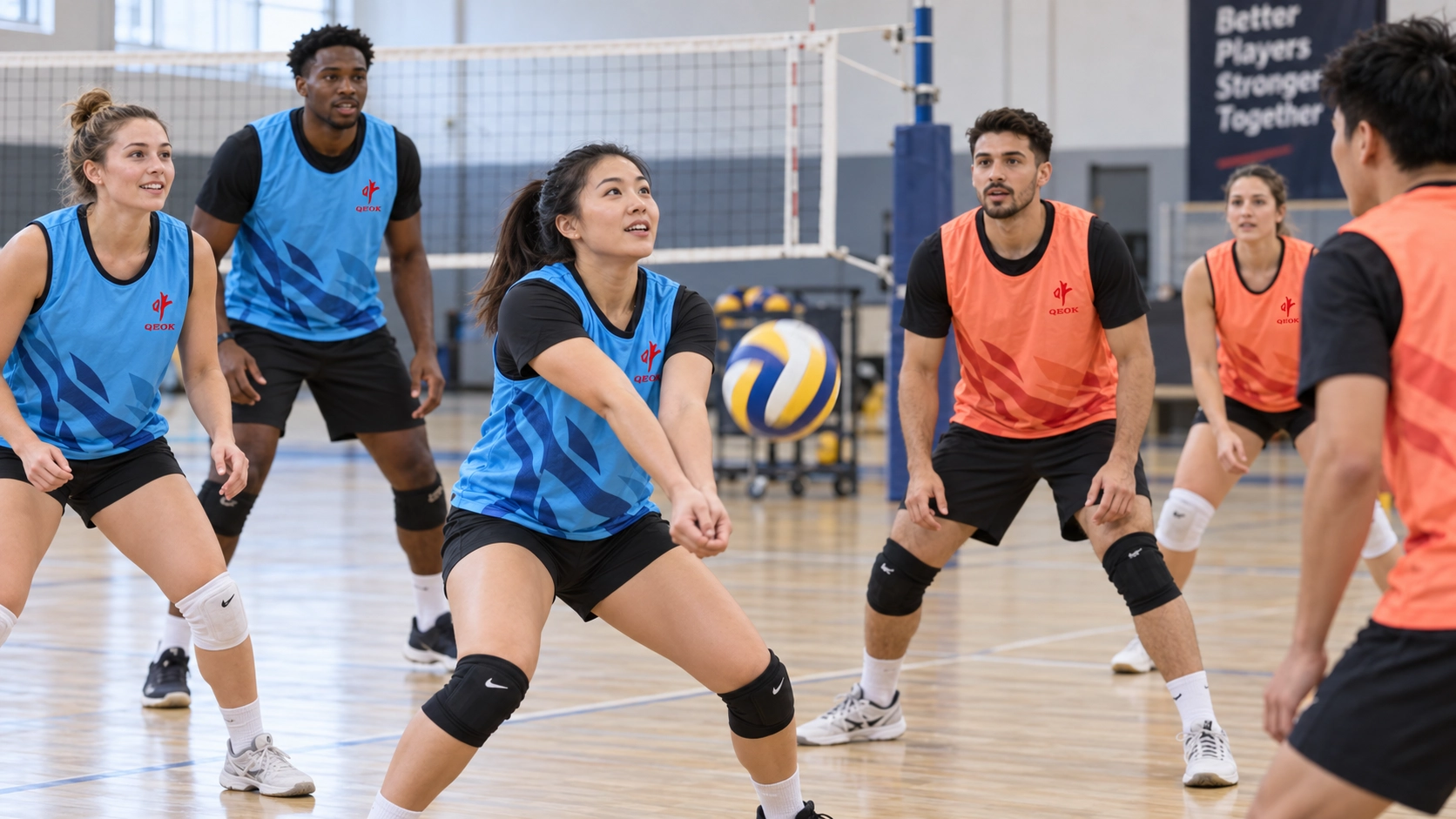 3
Plan Colors & Team Identification Early
Training bibs are often used to separate players into different groups, making color planning an important part of the design process.
Consider:
- Number of training groups
- Team color requirements
- Color contrast
- Visibility during outdoor use
- Future repeat orders
Consistent color management helps maintain team organization and brand identity.
-
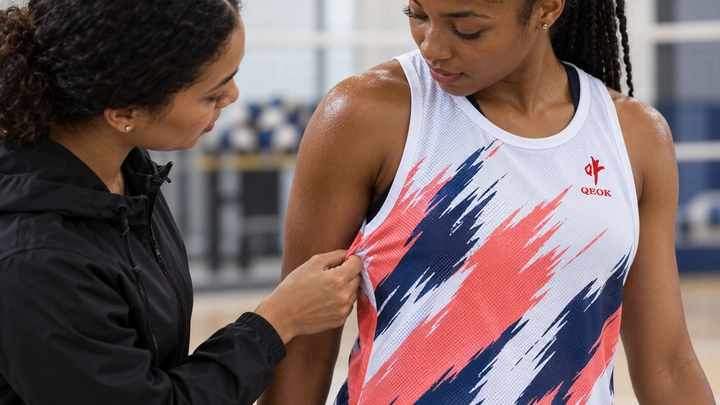 4
Prepare Branding Details Before Production
Custom logos and graphics should be confirmed before manufacturing to ensure the selected customization method matches the fabric.
Consider:
- Team logos
- Sponsor graphics
- Printing method
- Logo position
- Artwork files
Clear branding requirements help avoid delays and ensure the final training bib matches the original design concept.
Custom Training Bibs FAQ
-
1.What are custom training bibs used for?

Training bibs are used for football practice, tactical drills, team grouping, academy training, schools, and sports organization activities.
-
2.What fabrics are commonly used for training bibs?
Common fabrics include polyester mesh, bird-eye mesh, micro mesh, dry-fit polyester, interlock, and other lightweight performance materials.
-
3.Can training bibs be customized with team colors?
Yes. Team colors, logos, patterns, and graphic designs can be customized according to club or organization requirements.
-
4.Can player numbers or names be added to training bibs?
Yes. Player numbers, group identification, names, and sponsor graphics can be added using suitable customization methods.
-
5.What printing methods are suitable for training bibs?
Common options include sublimation printing, heat transfer printing, TPU logos, silicone logos, and woven labels depending on the fabric.
-
6.Can training bibs be made for children and adults?
Yes. Training bibs can be developed in different size ranges for youth programs, academies, and adult teams.
-
7.Can reversible training bibs be customized?
Yes. Reversible designs can be developed with different colors on each side for flexible team grouping.
-
8.Are training bibs and soccer pinnies the same product?
Yes. Training bibs, also called soccer pinnies or training pinnies in some markets, are lightweight over-jersey vests used to distinguish teams during practice, drills, and scrimmages. The terminology varies by region, but the main purpose is the same: helping coaches organize players into different training groups.
Explore Other Training Wears
Products
Ready to Create Your Custom Training Bibs?
Whether you need training bibs for football clubs, academies, schools, coaches, or sports brands, QEOK provides complete customization support from fabric selection and design development to production and delivery.