Selecting the right sportswear factory is the most critical decision for your athletic apparel brand. Unlike standard clothing manufacturers, a specialized sportswear factory possesses distinct technical capabilities for four-way stretch fabrics, flatlock seams, and moisture-wicking materials. The wrong sportswear factory destroys brands before they ship their first collection, while the right partner transforms your designs into performance products that withstand 500 wash cycles.
With thousands of suppliers claiming expertise across Alibaba and global trade platforms, how do you identify legitimate sportswear factory operations versus trading companies outsourcing to unvetted subcontractors? This comprehensive evaluation framework helps you audit potential partners across critical dimensions—technical infrastructure, compliance standards, communication protocols, pricing transparency, and quality verification. Following this systematic approach prevents costly mistakes like toxic dye formulations, failed seam elasticity, or factories that disappear after receiving your deposit.
Step 1: Evaluate Your Sportswear Factory’s Technical Capabilities
When evaluating sportswear factory options, technical capability should be your first filter. Sportswear factory operations demand specialized machinery that differs fundamentally from standard fashion production. Before requesting quotes, confirm your potential sportswear factory possesses the technical infrastructure for athletic apparel.
Inspect Sewing Machinery for Stretch Fabrics
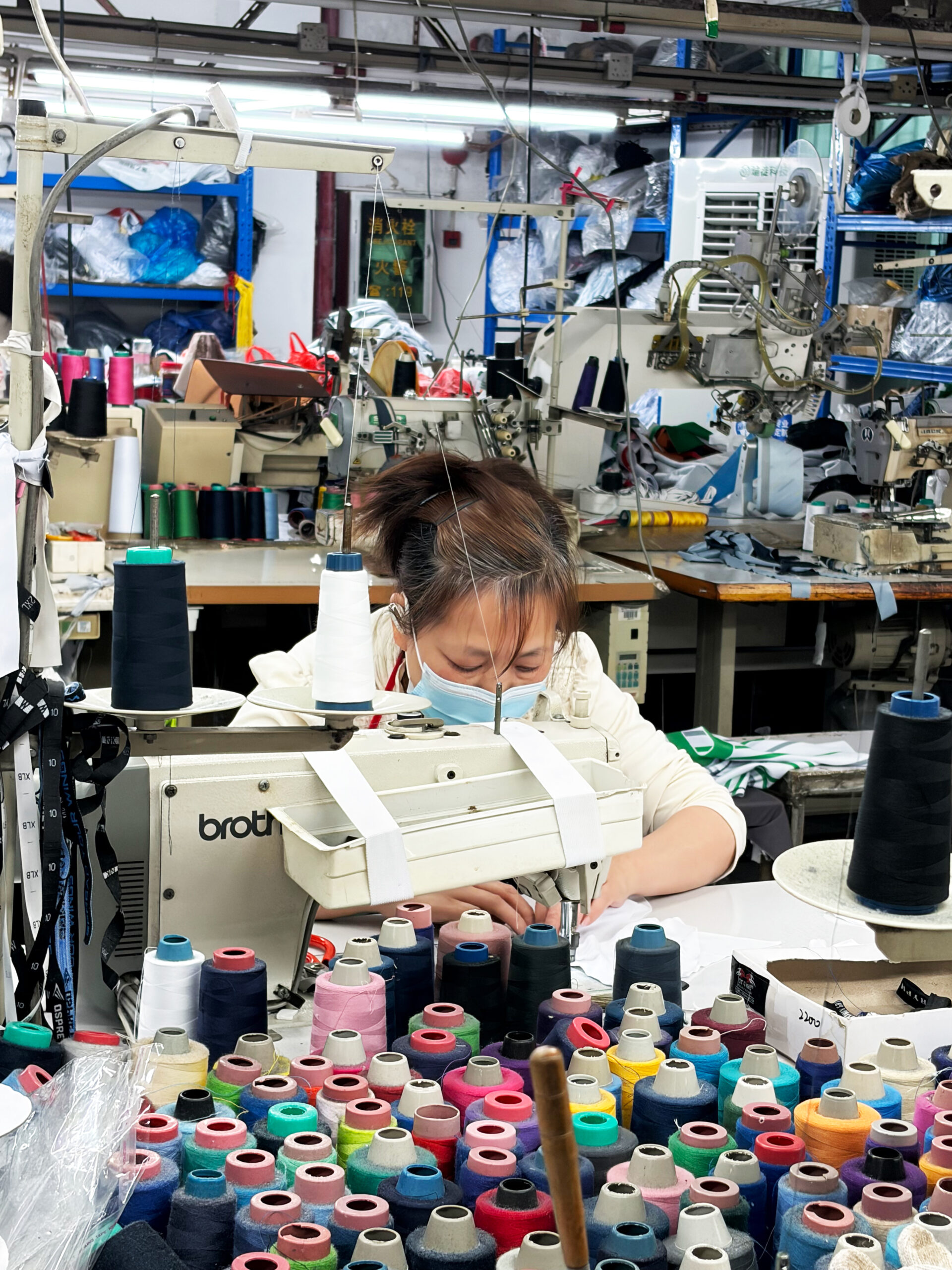
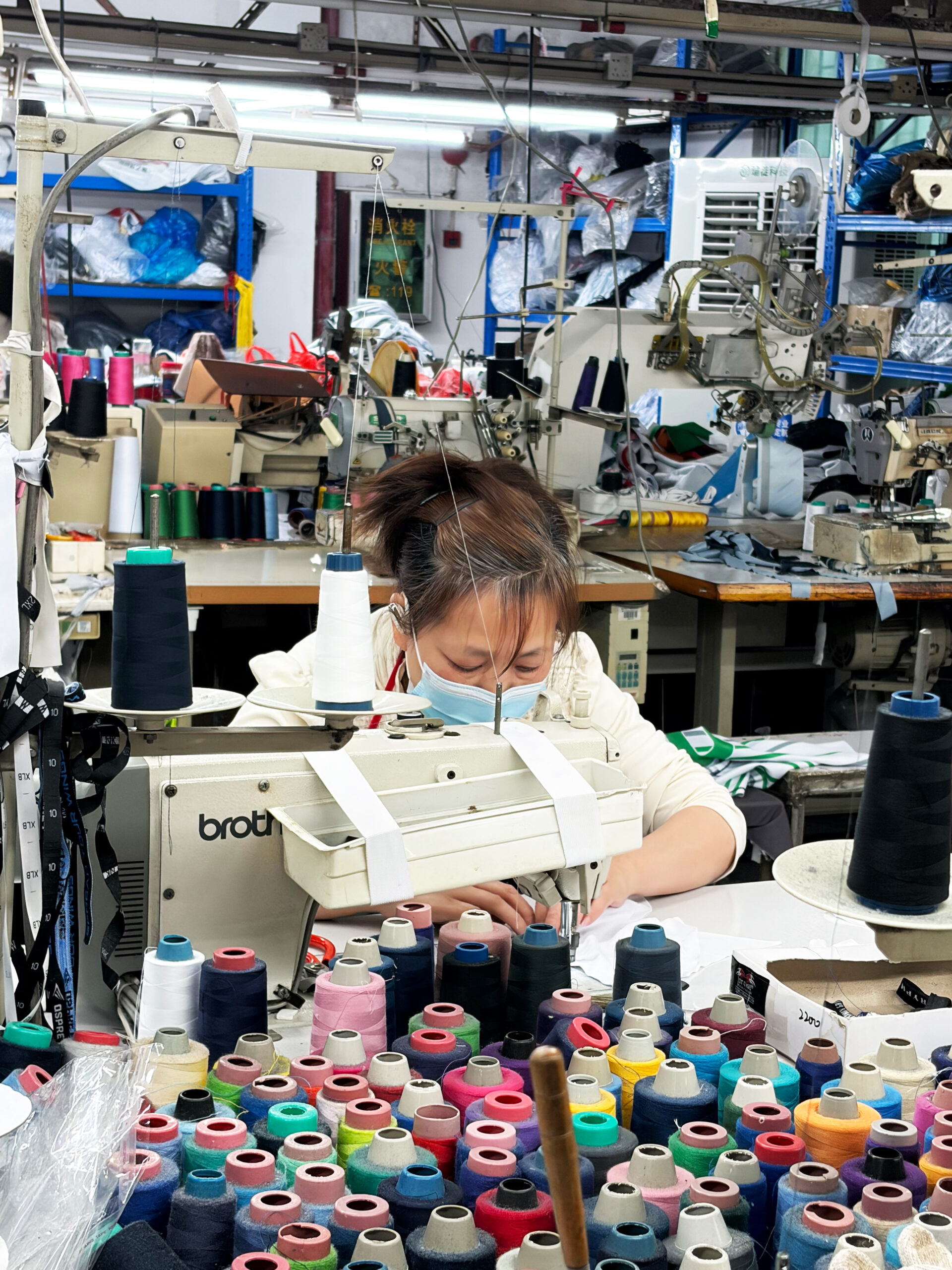
Request detailed photos of their production floor showing specific equipment. A legitimate sportswear factory maintains four-needle six-thread flatlock machines essential for creating stretchable, chafe-free seams in running tights and yoga pants. They should also possess coverstitch hemming equipment for elastic edges and zigzag machines for sports bra construction.
Ask specifically about needle inventory. A quality sportswear factory understands that performance fabrics like nylon-spandex blends require ballpoint needles sized 75/11 or 80/12 to prevent needle cutting or fabric runs. Factories using universal needles on technical knits demonstrate insufficient athletic wear experience.
Additionally, verify if the sportswear factory maintains heat-sealing or sonic welding stations required for seamless construction or bonded pockets in premium lines.
Evaluate Pattern-Making Expertise
Your selected sportswear factory must demonstrate ergonomic pattern grading capabilities that accommodate muscle groups during movement. Request examples of previous work involving gusseted crotches, raglan sleeves, or compression paneling. Professional facilities maintain CAD pattern software (like Gerber or Lectra) and understand negative ease calculations for compression garments.
Step 2: Verify Sportswear Factory Compliance Standards
Compliance failures trigger customs seizures, retail bans, and liability lawsuits. When researching sportswear factory candidates, verify certifications beyond basic business licenses.
Check for OEKO-TEX and ISO Certifications
Request current OEKO-TEX Standard 100 certificates proving textiles are free from harmful substances like PFAS, heavy metals, and azo dyes. For recycled polyester claims, verify Global Recycled Standard (GRS) certification. Cross-reference certificate numbers on official databases—fake PDFs are common when dealing with unverified sportswear factory operations.
ISO 9001 certification indicates quality management systems, while ISO 14001 demonstrates environmental responsibility. For European markets, confirm REACH compliance and, for California sales, Proposition 65 adherence. These standards separate professional sportswear factory operations from fly-by-night trading companies.
Understand Labor Law Compliance
Ethical manufacturing protects your brand reputation. Ask your prospective sportswear factory about WRAP (Worldwide Responsible Accredited Production) or SA8000 certification. Facilities refusing transparency about working hours, wages, or safety protocols indicate high-risk partnerships vulnerable to exposés and contract cancellations.
Step 3: Analyze Your Sportswear Factory’s Communication
Effective communication is critical when managing overseas production. Manufacturing across time zones creates exponential problems when your sportswear factory contact disappears during production crises.
Test Response Times and Technical Understanding
Send a detailed technical question about seam construction—perhaps asking how they would handle bonded hems for cycling shorts or moisture-wicking properties in mesh panels. A professional sportswear factory responds with specific stitch counts, fabric tension metrics, and potential failure points. Trading companies simply reply “yes, we can do this” without technical substance.
Monitor communication cadence across two weeks. Does the sportswear factory respond within 24 hours consistently? Do they proactively flag potential issues in your tech packs? Reactive communication during sampling predicts disaster during bulk production.
Evaluate Documentation Skills
Request a sample tech pack review. An experienced sportswear factory returns marked-up documents highlighting inconsistencies, missing tolerances, or impossible constructions. Facilities approving poorly drafted tech packs without questions often deliver incorrect samples.
Step 4: Decode Sportswear Factory Pricing and MOQ Structures
Understanding pricing is essential when selecting a sportswear factory. Manufacturers advertise attractive base prices while hiding mandatory upcharges. Understanding complete pricing ecosystems prevents budget catastrophes.
Break Down Hidden Costs Beyond Unit Price
Request itemized quotes separating fabric sourcing, cutting fees, sewing labor, packaging, and quality control. A sportswear factory charging $8.00 all-inclusive often costs less than one charging $5.00 base plus $2.50 fabric markup plus $1.80 packaging plus $0.90 quality inspection.
Clarify sampling costs. Professional sportswear factory operations charge $50-$150 per sample but credit these against bulk orders. Be wary of facilities offering “free sampling”—they often recoup costs through inflated bulk pricing or substandard materials.
 Negotiate Minimum Order Quantities
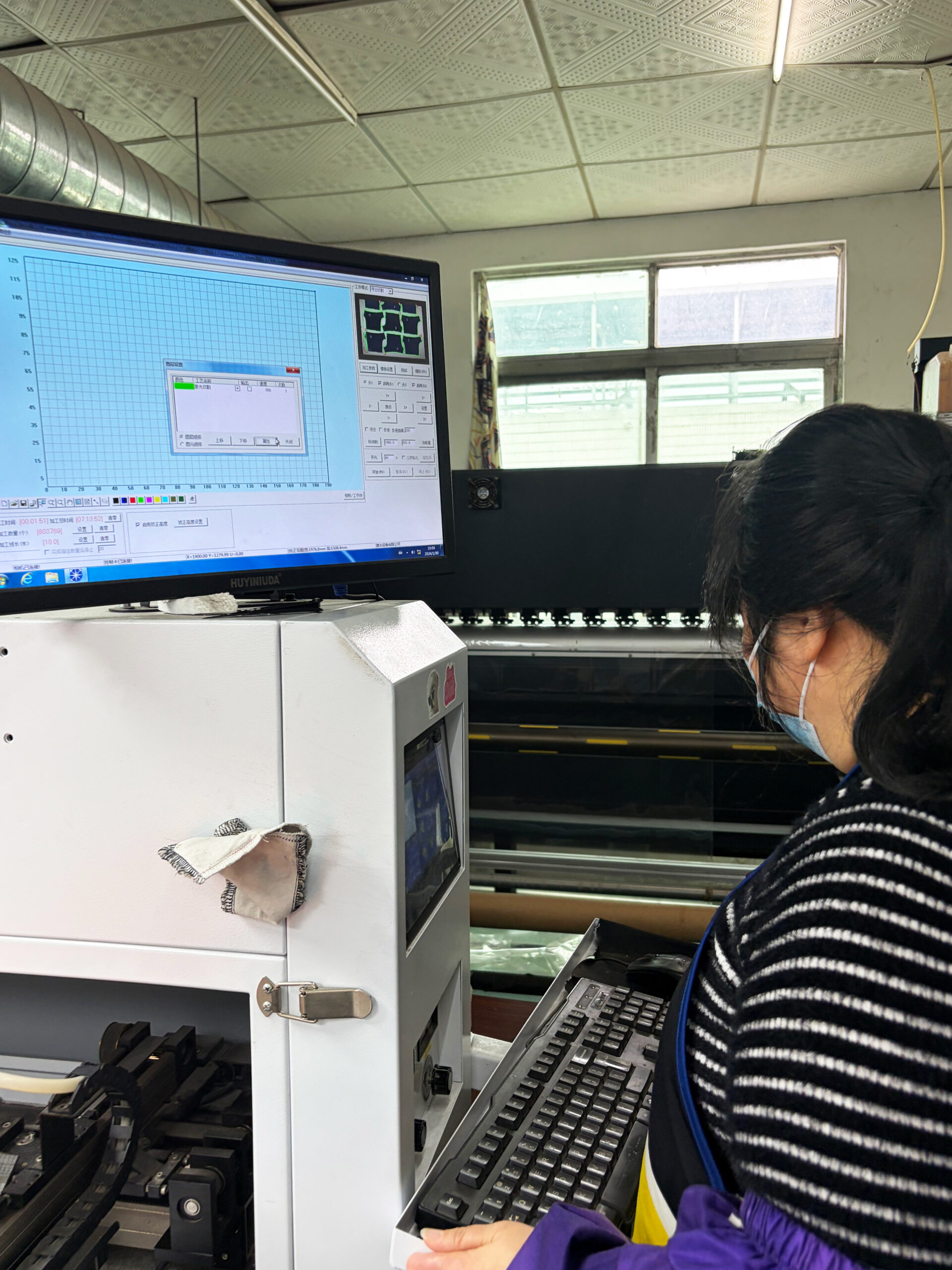
A typical sportswear factory requires 300-500 unit MOQs per colorway due to fabric dye sublimation minimums and setup costs. However, some facilities offer “stock fabric” options with lower minimums (100-200 units) using their inventory rather than custom dye lots. For startups, this reduces initial investment while validating designs.
Ask about size splitting flexibility. Some sportswear factory operations require rigid 1-2-2-1 ratios across XS-XL, while others accommodate uneven distributions based on pre-sales data.
Step 5: Conduct Quality Control Trials at Your Sportswear Factory
Quality testing is the final step before committing to a sportswear factory. Never authorize full collections to unproven partners. Structure pilot orders to minimize risk while evaluating performance.
 Order Samples Before Mass Production
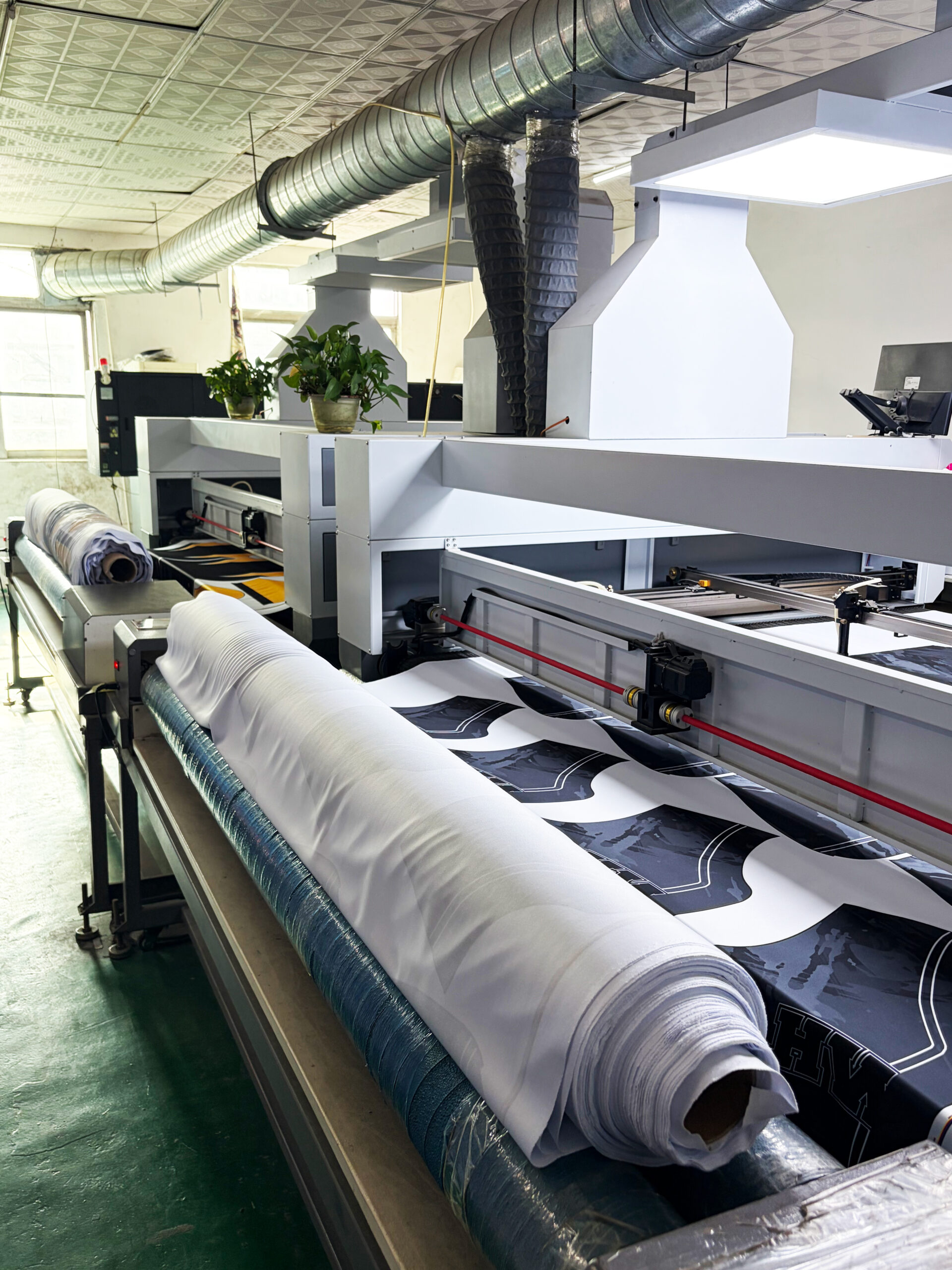
Insist on a three-sample sequence: prototype (pattern validation using available fabric), pre-production (using exact bulk materials and colors), and TOP (Top of Production, pulled from the first 5% of the run). Evaluate each sample for fit accuracy, seam elasticity, colorfastness (ISO 105 standards), and construction consistency.
Conduct wash testing on pre-production samples. Machine wash garments 20 times at 40°C. Check for seam slippage, color bleeding, and elastic degradation. A quality sportswear factory anticipates these tests; poor facilities protest that “samples aren’t for washing.”
Establish AQL Standards
Define Acceptable Quality Levels before production begins. For athletic apparel, AQL 2.5 (major defects) and 4.0 (minor defects) represents industry standard. Clarify who bears costs for failed inspections—reputable sportswear factory operations accept responsibility for errors; high-risk facilities blame “fabric suppliers” or “machine problems.”
Consider hiring third-party inspection services (like SGS or AsiaInspection) for first orders. While costing $300-$500, independent verification prevents accepting 1,000 units of unwearable garments from an unvetted sportswear factory.
Final Checklist for Sportswear Factory Selection
Before transferring deposits, confirm your selected facility meets these non-negotiable criteria:
- Demonstrated portfolio of athletic garments with physical samples for tactile evaluation
- Current, verifiable compliance certificates matching your target market regulations
- Technical responses to construction questions indicating specialized knowledge
- Transparent pricing including all component costs, sampling fees, and logistics arrangements
- Willingness to accept inspection protocols and penalty clauses for defects
- References from comparable brands willing to discuss problem resolution experiences
Choosing a sportswear factory requires treating the evaluation as seriously as hiring a business partner. The right sportswear factory transforms your designs into performance products; the wrong choice transforms your investment into expensive recycling material. Invest two weeks in thorough vetting—your customers will recognize the quality difference in every training session.
Related Resources: For more guidance on athletic apparel production, explore our guides on private label manufacturing and quality control standards.