Creating standout custom sportswear requires more than quality construction. The decoration technique you choose directly impacts brand perception, athlete performance, and garment longevity. From traditional screen printing to advanced laser etching, each method offers distinct advantages for different applications.
This comprehensive guide compares decoration technologies for custom activewear, helping you select optimal solutions for team uniforms, corporate apparel, and retail collections.
Screen Printing: The Enduring Standard
How It Works
Screen printing forces ink through a mesh stencil onto fabric. Despite being one of the oldest decoration methods, it remains the most popular choice for custom sportswear due to its versatility and cost-effectiveness at scale.
The process involves creating separate screens for each color, making it ideal for bold, graphic designs with limited color palettes. Modern automatic presses can produce 500+ garments per hour, ensuring consistent quality across large orders.
Best Applications
| Team jerseys | Numbers, names, and logos on soccer, basketball, and football uniforms |
| Event merchandise | Marathon shirts, charity run tees, tournament apparel |
| Corporate activewear | Company logos on gym shirts and outdoor gear |
| Streetwear brands | Oversized graphics on hoodies and joggers |
Plastisol vs. Water-Based Inks
Plastisol ink sits on top of the fabric, creating vibrant, opaque colors that pop on dark garments. It offers excellent durability, surviving 50+ wash cycles without significant fading. However, it creates a heavier hand feel that some athletes find restrictive during intense activity.
Water-based inks absorb into the fabric, resulting in a softer, more breathable finish. This makes them ideal for performance apparel where comfort matters. The trade-off? Colors appear slightly muted on dark fabrics, and the process requires more technical expertise to execute properly.
Specialty Screen Printing Effects
Advanced shops now offer specialized finishes:
- Discharge printing: Removes dye from dark garments, replacing it with pigment for ultra-soft results
- High-density ink: Creates raised, textured logos with 3D visual impact
- Reflective printing: Contains glass beads for nighttime visibility—essential for running and cycling gear
- Glitter and metallic: Adds sparkle for cheerleading, dance, and fan merchandise
Embroidery: Premium Dimension and Texture
Traditional vs. 3D Puff Embroidery
Embroidery stitches thread directly into the garment, creating a premium, tactile finish that signals quality. Traditional flat embroidery works beautifully on polo shirts, caps, and lightweight jackets, offering excellent detail for intricate logos.
Three-dimensional puff embroidery uses foam backing to raise designs above the fabric surface. This technique dominates baseball caps and outerwear, where bold branding commands attention. The added dimension comes with considerations: puff embroidery requires sturdy fabrics that won’t pucker, and designs must avoid extremely fine details that get lost in the height.
Tackle Twill: The Athletic Classic
For authentic sports aesthetics, tackle twill remains unmatched. This technique appliqués cut fabric pieces onto garments, then zigzag stitches around the edges. You’ll find it on professional football jerseys, hockey sweaters, and letterman jackets.
Tackle twill offers superior durability compared to printed alternatives, surviving seasons of rough play and industrial laundering. The layered construction creates visual depth, and the ability to mix fabric types—felt on mesh, for example—enables striking design possibilities.
| Technique | Typical uses | Durability | Cost factor |
| Flat embroidery | Corporate polos, golf shirts, caps | Excellent | Medium |
| 3D puff | Baseball caps, outerwear | Very good | High |
| Tackle twill | Football, hockey, baseball jerseys | Exceptional | Very high |
| Twill applique | Basketball warm-ups, track suits | Excellent | High |
Heat Transfer: Precision and Flexibility
CAD-Cut Vinyl
Computer-aided design cutting produces crisp, single-color graphics perfect for names, numbers, and simple logos. The process cuts designs from colored vinyl sheets, which heat presses then bond to garments.
CAD-cut vinyl excels at personalization. A team of 20 players needs 20 different name/number combinations? Vinyl handles this efficiently without the setup costs of screen printing. It’s also the go-to method for nylon and polyester garments that resist direct printing.
However, vinyl creates a distinct plastic feel and visible outline around designs. For large graphics, breathability suffers, making it less suitable for high-intensity sports where moisture management matters.
Digital Heat Transfer (DTF)
Direct-to-film printing represents the newest advancement in heat transfer technology. Designs print onto special film, then transfer to garments using heat and pressure. The result? Full-color photographic images with no color limitations or setup screens.
DTF solves the breathability issues of traditional vinyl while maintaining durability. It stretches with the fabric, preventing cracks common in older transfer methods. For all-over prints, photorealistic designs, or small runs where screen printing proves uneconomical, DTF offers compelling advantages.
The technology particularly shines on performance fabrics. Unlike screen printing, which sometimes struggles with moisture-wicking treatments, DTF bonds reliably to treated polyester and nylon.
Laser Etching: Precision Branding for Technical Apparel
The Technology Explained
Laser etching uses concentrated light beams to precisely remove surface fibers, creating permanent, tone-on-tone designs. Unlike additive decoration that sits atop fabric, etching becomes part of the garment itself—impossible to peel, crack, or fade.
The process works by vaporizing dye or top fabric layers, revealing contrasting underlying colors. On navy polyester, etching creates subtle grey designs. On black garments, it produces tonal black-on-black effects favored by premium athletic brands.
Applications and Limitations
Laser etching dominates high-end performance wear where traditional decoration would compromise function:
- Compression gear: Zero added weight or texture that could cause chafing during long workouts
- Swimwear: No chemicals or inks that might degrade in chlorine or salt water
- Base layers: Maintains fabric breathability and moisture-wicking properties
- Corporate tech apparel: Subtle, sophisticated branding on executive golf shirts and softshells
Limitations exist: etching requires synthetic fabrics with consistent dye penetration. Natural fibers like cotton show inconsistent results, and very light colors offer insufficient contrast for visible designs.
Combination Techniques
Advanced manufacturers now combine laser etching with other methods for multi-dimensional effects. A common approach etches a subtle background pattern, then overlays screen-printed or embroidered logos for pop. This layering creates visual depth impossible with single techniques.
Sublimation: Unlimited Color for Technical Fabrics
How Dye-Sublimation Works
Sublimation transforms solid dye directly into gas without becoming liquid, bonding permanently with polyester fibers. The result covers entire garment panels with unlimited colors, gradients, and photorealistic imagery.
Unlike surface decoration, sublimation becomes integral to the fabric. You cannot feel the design, and it never cracks, peels, or fades. This permanence makes it ideal for cycling jerseys, wrestling singlets, and other garments facing extreme physical stress and frequent washing.
Design Possibilities
All-over printing enables creative directions impossible with other methods:
- Camouflage patterns extending across seams and panels
- Photographic imagery from team photos or sponsor artwork
- Complex gradients and color fades
- Repeating geometric patterns covering entire garments
The catch? Sublimation only works on white or light-colored polyester. Dark garments require different approaches, and cotton or natural fibers cannot accept sublimated dyes.
Choosing Your Decoration Method: Decision Framework
By Garment Type
| Cotton t-shirts | Screen printing (water-based for soft hand), embroidery for premium positioning |
| Performance polyester | Sublimation for all-over designs, heat transfer for spot graphics, laser etching for subtle branding |
| Team uniforms | Tackle twill for authentic athletic look, sublimation for lightweight options |
| Caps and headwear | 3D puff embroidery for structured caps, flat embroidery for dad hats |
| Outerwear | Embroidery for durability, laser etching for technical shells |
By Order Volume
Small runs (1-50 pieces): Digital heat transfer (DTF), CAD-cut vinyl, or laser etching offer low setup costs and quick turnaround.
Medium runs (50-500 pieces): Screen printing becomes cost-effective for simple designs. Embroidery works well for corporate apparel.
Large runs (500+ pieces): Screen printing dominates for cotton and blends. Sublimation excels for all-polyester technical wear.
By Durability Requirements
For industrial laundering (healthcare, food service, workwear): Embroidery and tackle twill survive harsh cleaning protocols.
For athletic competition: Sublimation and laser etching withstand abrasion and maintain performance properties.
For retail fashion: Screen printing with specialty inks or mixed decoration techniques create distinctive shelf appeal.
2026 Decoration Trends: What’s Next
Sustainable Processes
Water-based and PVC-free inks now dominate eco-conscious production. Digital printing reduces waste by eliminating screens and setup materials. Some facilities have adopted algae-based inks and renewable energy-powered equipment.
Smart Decoration
Conductive thread embroidery integrates NFC chips and sensors directly into garments. Tap a phone to the embroidered logo and access team rosters, authentication, or exclusive content. This technology bridges physical apparel with digital experiences.
Hybrid Techniques
The most striking contemporary designs combine multiple methods: sublimated backgrounds with embroidered accents, laser-etched details alongside screen-printed graphics, or tackle twill layered over printed patterns. These combinations create dimensional, tactile products that command premium pricing.
Working with Your Decoration Partner
File Preparation Best Practices
Vector files (AI, EPS, PDF) remain essential for screen printing and embroidery. Raster images work for sublimation and DTF, but require 300 DPI minimum at actual print size.
Specify Pantone colors for brand consistency. Screen printing can match within 1-2 shades; digital methods offer less precision but broader gamut.
Indicate decoration locations clearly: left chest 3.5″ wide, full back 12″ wide, sleeve prints 2″ x 3″. Ambiguous instructions cause production delays and errors.
Sample Approval Process
Always request pre-production samples for new designs. Evaluate not just visual appearance, but also hand feel, stretch recovery, and wash testing. A design that looks perfect flat may crack when the athlete moves or fade after ten washes.
For large orders, establish a “golden sample” sealed as the production standard. This reference resolves any disputes about quality or color matching.
Conclusion: Decoration as Brand Differentiator
Custom sportswear decoration choices communicate brand values before a single word is read. Bold screen printing suggests energy and accessibility. Subtle laser etching signals technical sophistication. Rich embroidery conveys tradition and quality investment.
Understanding each technique’s strengths, limitations, and optimal applications empowers informed decisions. The right decoration method enhances garment function, extends product lifespan, and strengthens emotional connections between athletes and their gear.
As decoration technologies evolve, opportunities expand for creative expression and performance enhancement. Partner with experienced manufacturers who invest in modern equipment and understand how these choices impact your specific market segment.
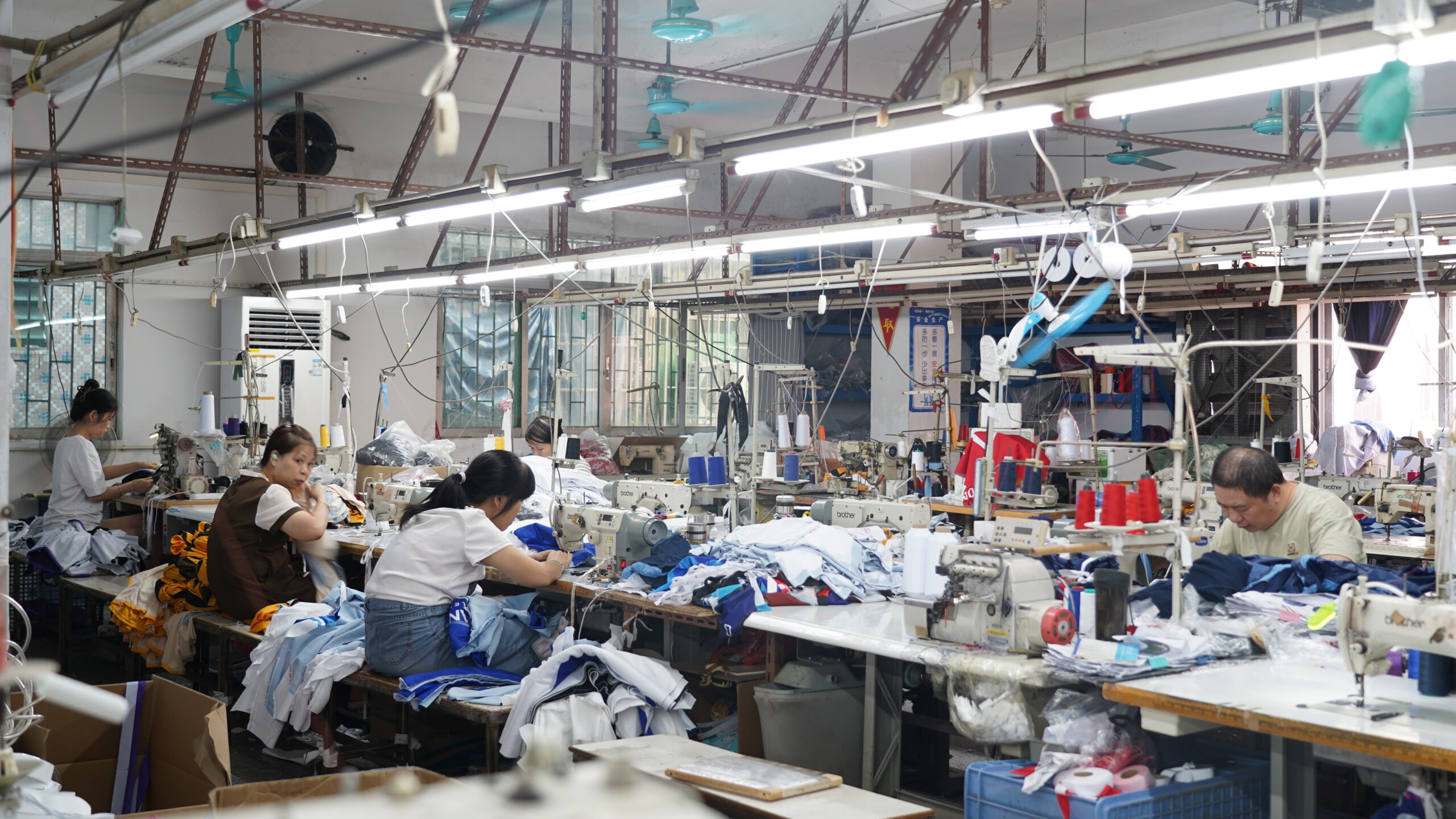
About QEOK Factory: We specialize in custom sportswear decoration combining traditional craftsmanship with cutting-edge technology. From tackle twill team uniforms to laser-etched performance wear, our Dongguan facility delivers premium results with 200-piece minimums and 2-week turnaround. BSCI and OEKO-TEX certified.
Request a decoration sample kit featuring screen printing, embroidery, heat transfer, and laser etching examples.