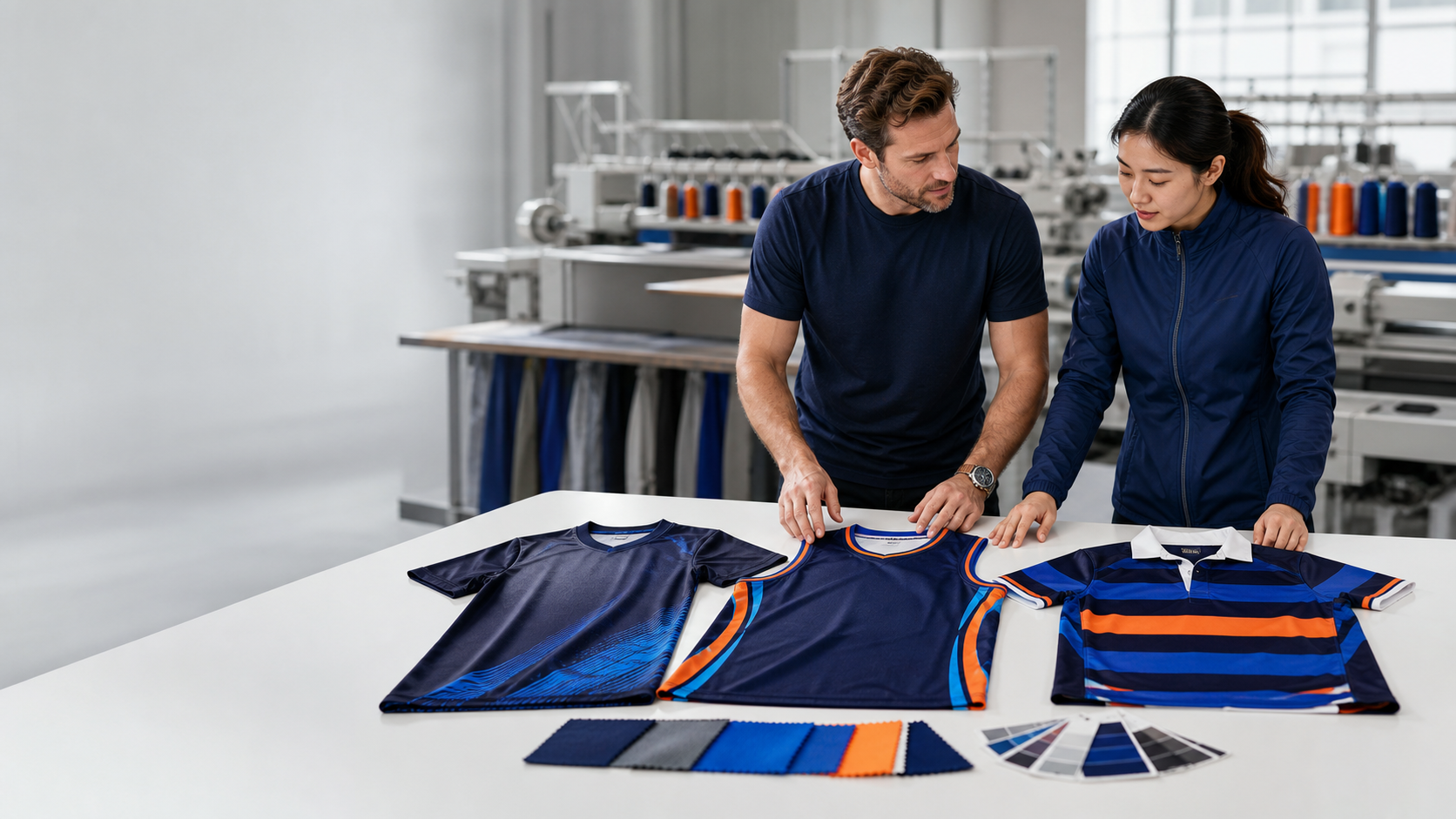
As a Dongguan-based OEM/ODM partner with 16 years of experience, Qeok Clothing has seen brands miss opportunities due to poor fabric choices. This guide breaks down the top fabric technology 2026 innovations to help you source smarter for your 2026 collection.
1. Bio-Based Elastane: 2026’s Eco-Friendly Fabric Breakthrough
1.1 How It Works & Market Status for 2026
Traditional spandex uses petroleum, but this fabric technology 2026 star uses PDO from corn stalks and bagasse. With the EU’s CBAM imposing 15-25% tariffs on high-carbon fabrics in 2026, this shift is critical for compliance.
Fewer than 8 global suppliers offer mass production, with East Asia controlling 60% of output. Our tests show bio-based elastane retains 92% elasticity after 150 washes, beating conventional spandex’s 87% baseline.
1.2 Application Tips for 2026 Collections
For yoga and running brands, use 12-18% bio-based elastane. Below 12% won’t differentiate; above 18% raises costs and harms moisture-wicking. Dark dyes need extra colorfastness testing—add 3-5 days to sampling.
Factory Insight: These fibres are 20% more heat-sensitive. We lowered needle plate temps from 180°C to 155°C and reduced stitching speed by 8%, keeping defects under 1.2%.
2. Phase-Change Materials: 2026’s Climate-Controlled Fabric
2.1 Why Microencapsulation Is Accessible in 2026
PCM fabrics are now affordable, thanks to fabric technology 2026 advances: microencapsulation costs dropped from $35+/metre to $12-15, opening doors for mid-tier brands.
These fabrics absorb heat above 28°C and release it below 22°C, making them ideal for outdoor sports with temperature swings.
2.2 Avoid These 2026 Product Traps
Don’t prioritize temperature over breathability—our labs found PCM loading over 25% reduces breathability by 40%. Treat PCM as a “climate buffer,” not an AC, and blend with moisture-wicking fibres.
3. Fluorine-Free Waterproofing: 2026’s Compliance-Driven Fabric
3.1 The Shift to Fluorine-Free by 2026
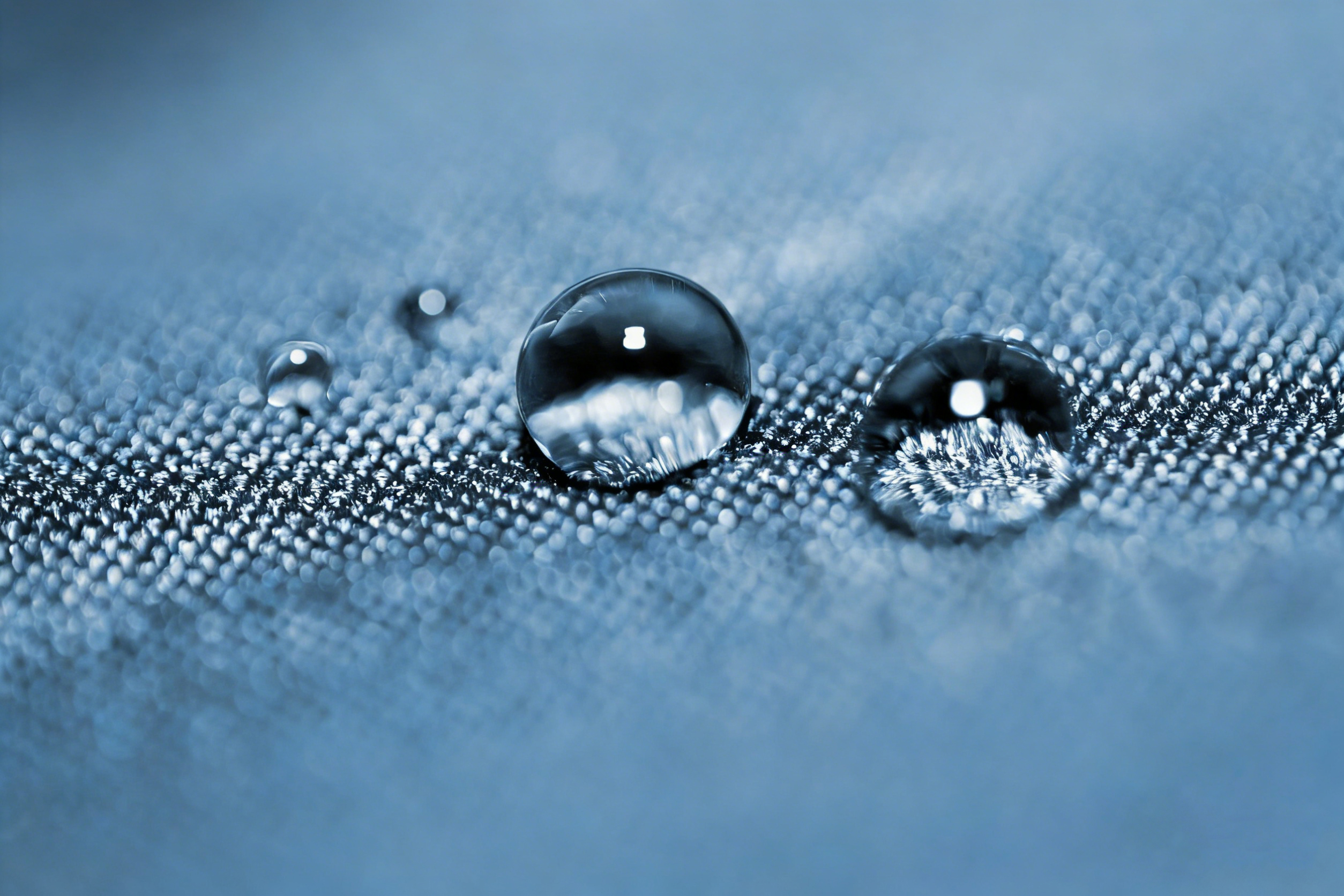
EU REACH regulations are phasing out PFAS, and by 2026, fluorine-free will be mandatory. This fabric technology 2026 trend is also being adopted by U.S. states for post-2025 outdoor apparel.
Two main options: paraffin/siloxane coatings (cost-effective but less durable) and nano-structure engineering (durable but stiffer).
3.2 Choosing Your 2026 Technical Path
Urban brands can use paraffin coatings for “seasonal protection,” while hardcore outdoor brands should invest in nano-structure tech. Our hybrid process combines both for 30% lower costs and 50+ wash durability.
4. Smart Thermoregulation: 2026’s Responsive Fabric
4.1 Electronic vs. Non-Electronic Options for 2026
This fabric technology 2026 category splits into electronic (sensors/heating elements) and non-electronic (moisture-responsive fibres) solutions. Non-electronic options offer better commercial viability for 2026.
Moisture-responsive fibres adjust spacing with humidity changes, improving breathability or insulation in 30 seconds.
4.2 Commercial Realities for 2026
These fabrics need specialised equipment, so small-run sampling costs 3-5x more. We advise adoption only if annual orders exceed 50,000 units. Partner with third-party labs to define “smart” performance metrics.
5. Closed-Loop Recycling: 2026’s Circular Fabric System
5.1 Chemical vs. Mechanical Recycling in 2026
Circular systems are now a fabric technology 2026 reality. Mechanical recycling degrades quality, while chemical recycling depolymerizes polyester to enable infinite loops without performance loss.
Chemically recycled polyester now costs 1.3x virgin polyester, with a 60-70% lower carbon footprint—critical for ESG reporting in 2026.

5.2 Building Your 2026 Circular System
Phase in this strategy: blend 30-50% recycled fibre, establish take-back channels, and partner with recycling facilities. Avoid “fake circular” fabrics—demand full-chain certification.
Action Items for Your 2026 Collection
To leverage fabric technology 2026 effectively:
- Audit suppliers’ tech roadmaps for 2026 readiness
- Extend development timelines to 60-75 days for testing
- Create frameworks to separate marketing features from performance gains
- Partner with OEMs like Qeok Clothing for in-house lab support
Our Dongguan lab tests fibre-to-garment workflows in 72 hours. Book a factory tour to turn these innovations into products. For independent research, read the Textile World 2026 Fabric Technology Report.
The Fabric Technology 2026 Window Is Closing
By 2026, bio-based elastane and fluorine-free waterproofing will be standard. PCM and smart fibres are at commercial inflection points, and closed-loop systems are essential. Focus on 1-2 innovations aligned with your brand, and partner with OEMs to share R&D risk.
The next 12-18 months are critical—act now to secure your fabric technology 2026 competitive edge.